

India Boosts Textile Sector with Third Round of PLI Scheme: 52 New Projects Approved
Share Post
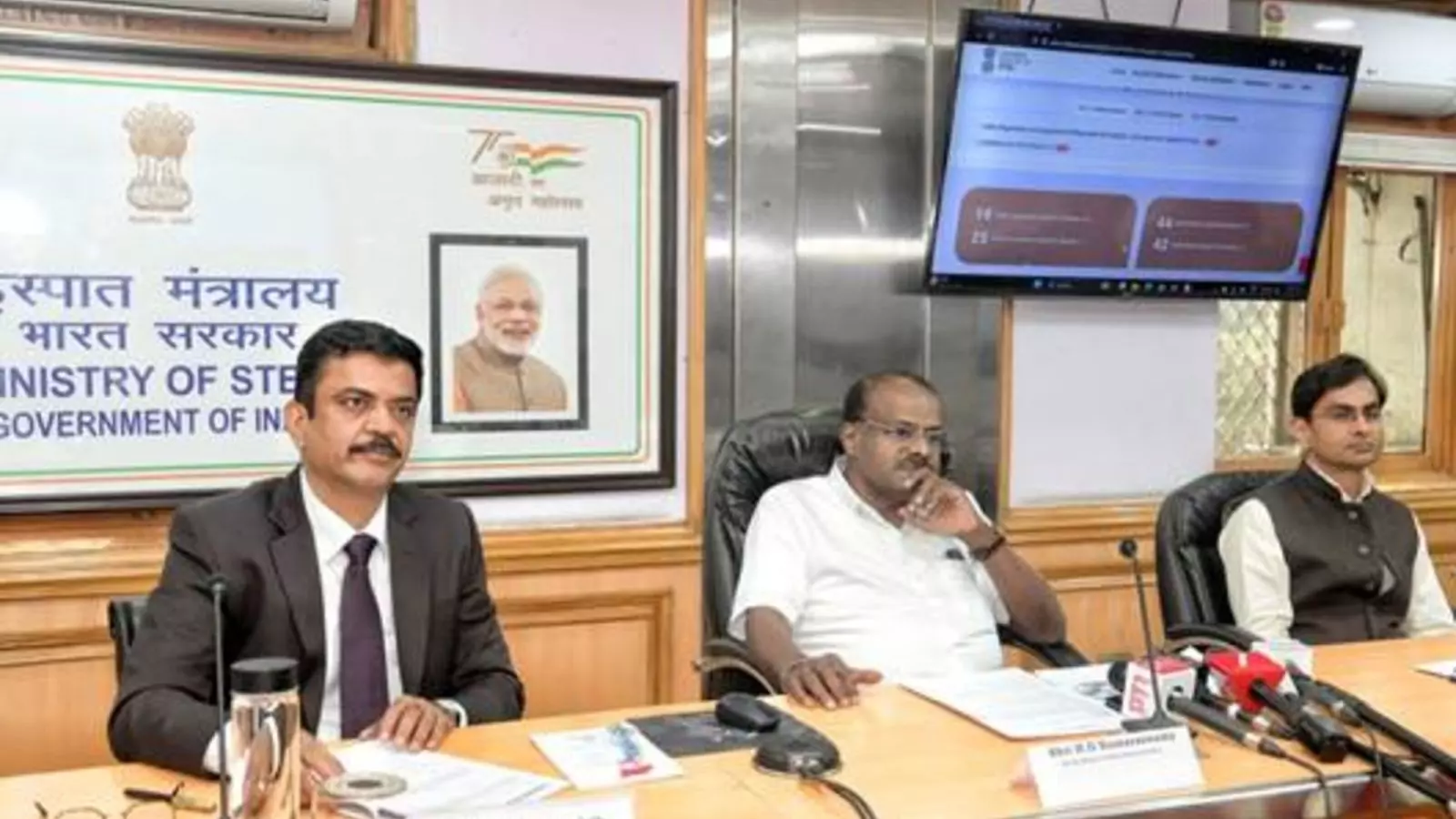
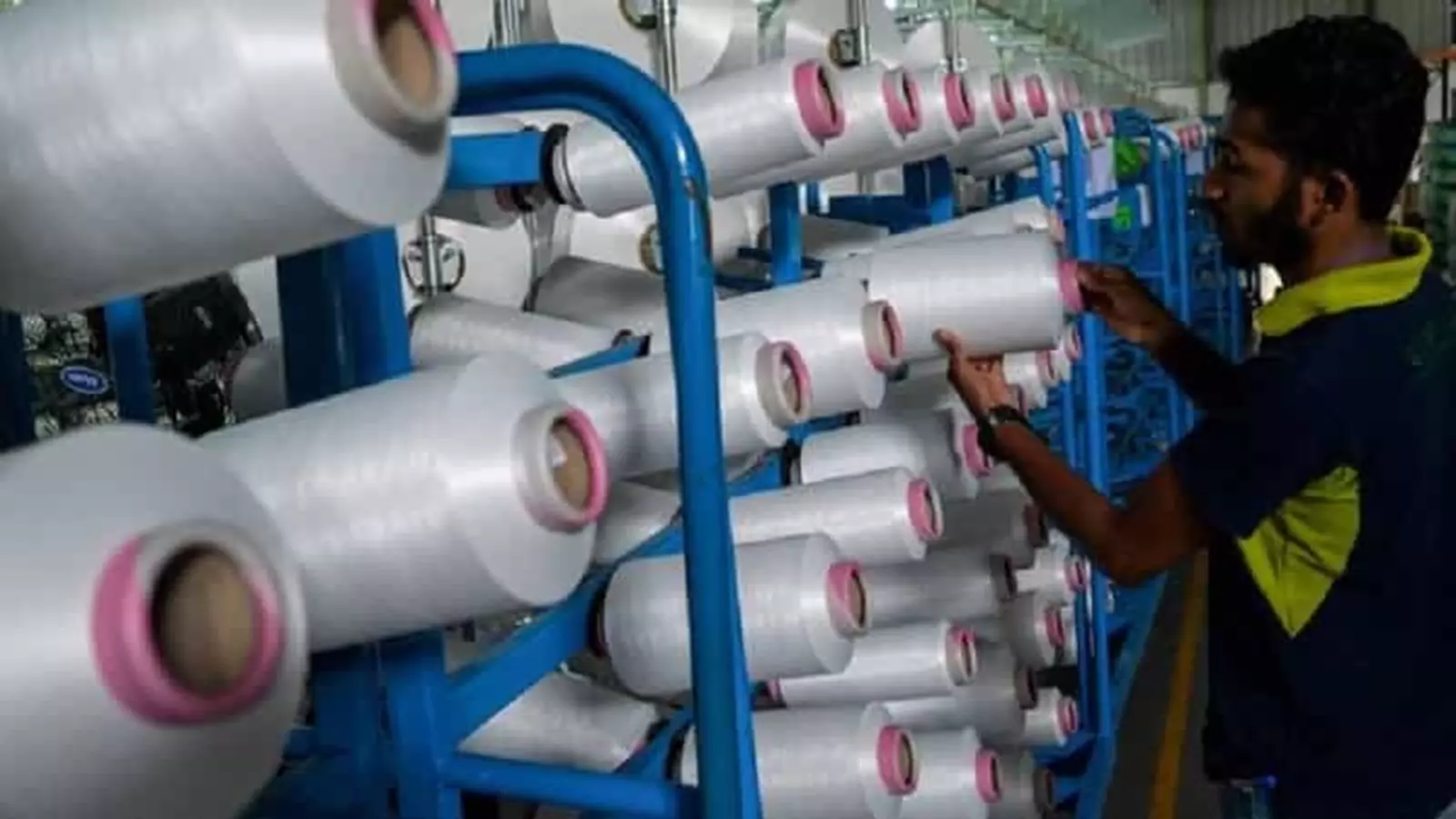
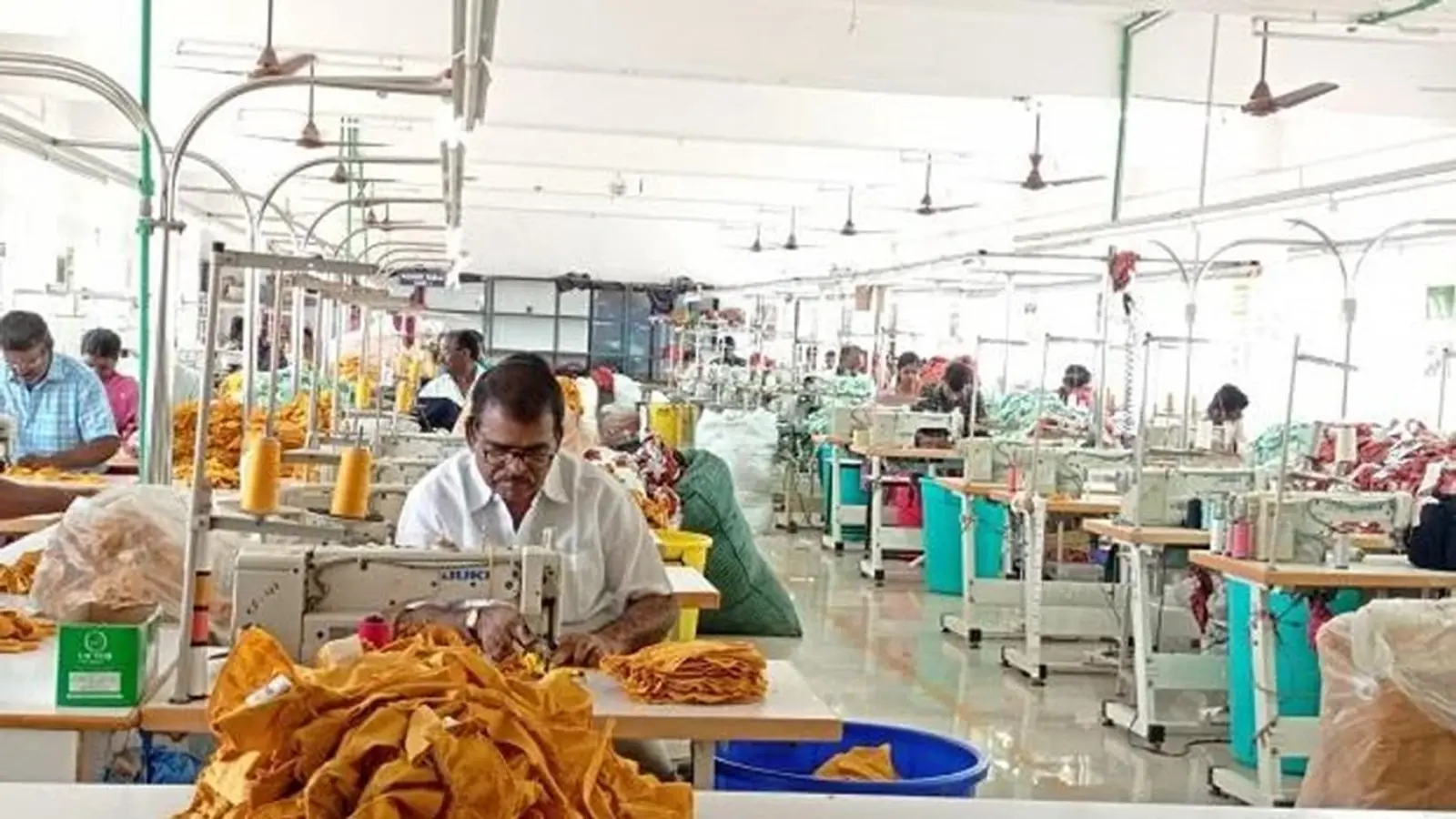
India’s textile sector has received a significant policy push as the government approved 52 new applications under the third round of the Production Linked Incentive (PLI) Scheme. This move, announced by the Ministry of Textiles, marks a major step toward strengthening domestic manufacturing, boosting exports, and positioning India as a global hub for high-value textiles.
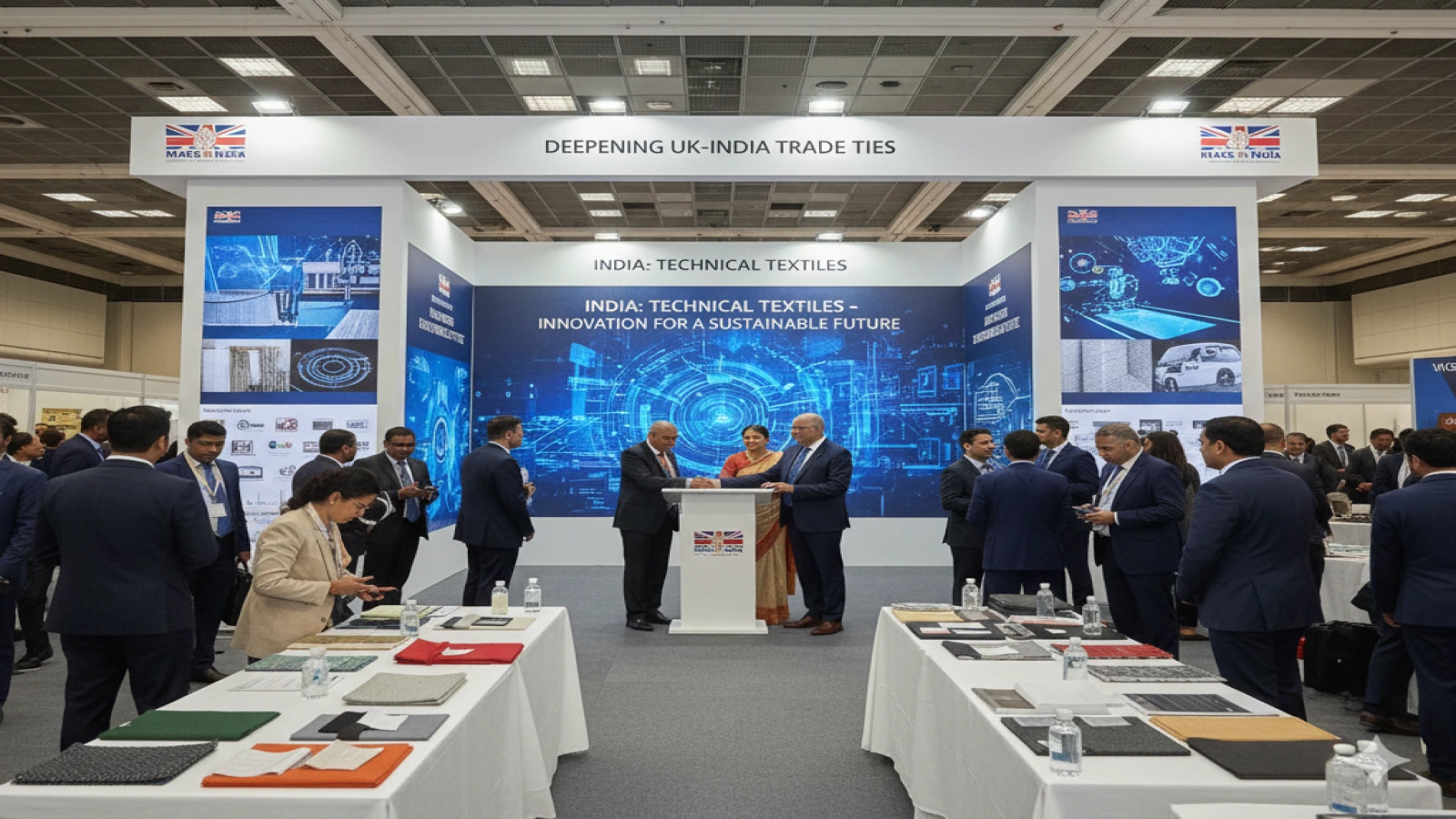
According to the official government release, the newly approved applications span key segments of the industry, including man-made fibre (MMF) apparel, MMF fabrics, and technical textiles. Of the total approvals, 5 applications are in MMF apparel, 19 in MMF fabrics, 18 in technical textiles, and 10 cover multiple segments. These segments have been strategically prioritised as they represent high-growth and value-added areas where India aims to expand its global market share.
The approved companies have committed a substantial investment of ₹6,708 crore, with an expected turnover of ₹21,186 crore. This investment is expected to significantly enhance India’s manufacturing capacity, promote innovation, and create large-scale employment opportunities across the textile value chain. Industry observers believe that this infusion of capital will not only modernise production but also help Indian manufacturers compete more effectively in international markets.
Recent performance data from companies already participating in the PLI scheme further highlights its impact. In the first three quarters of FY 2025–26 alone, participating firms reported investments of ₹944.48 crore, turnover of ₹4,473 crore, and exports worth ₹363.55 crore. These figures indicate that the scheme is already delivering tangible results in terms of production growth and export momentum.
The third round of approvals is also being viewed as a continuation of India’s broader strategy to accelerate textile sector growth. As highlighted in recent industry reports, the government has introduced reforms such as lowering investment thresholds and expanding product coverage to attract wider participation. This has made the scheme more accessible to a larger pool of manufacturers, including mid-sized players.
Additionally, the latest approvals come at a time when India is actively working to shift its textile industry towards value-added segments. The focus on MMF and technical textiles reflects a deliberate move away from traditional cotton-based exports toward advanced and performance-driven products, which have higher global demand and margins.
Experts believe that this policy push will play a crucial role in enhancing India’s competitiveness against major textile-exporting nations. With global supply chains undergoing shifts and buyers diversifying sourcing destinations, India is positioning itself as a reliable and scalable manufacturing base. The PLI scheme, in this context, acts as a catalyst by incentivising scale, efficiency, and innovation.
Overall, the third round of the Textile PLI Scheme signals strong government commitment to transforming the sector. By encouraging investments, fostering advanced manufacturing, and promoting exports, the initiative is expected to drive long-term growth and help India move closer to its ambition of becoming a global textile powerhouse.
11:23 AM, Apr 15
Other Related Topics
.webp)
.webp)

Industry Update

1.webp)

1.webp)

1.webp)
1.webp)
1.webp)


1.webp)
1.webp)
1.webp)



1.webp)

1.webp)


1.webp)


1.webp)



1.webp)
Punjab Eyes Green Transformation of Textile Processing Clusters to Attract Global Brands...view more


1.webp)


1.webp)
1.webp)
1.webp)

1.webp)


1.webp)
1.webp)
1.webp)


1.webp)
1.webp)


1.webp)


1.webp)
1.webp)
1.webp)


1.webp)

1.webp)


1.webp)


1.webp)
1.webp)
1.webp)


1.webp)
1.webp)


1.webp)


1.webp)

1.webp)
1.webp)
1.webp)
1.webp)


1.webp)
1.webp)


1.webp)


1.webp)


1.webp)





1.webp)



1.webp)

1.webp)
1.webp)
1.webp)

1.webp)

.webp)

1.webp)


1.webp)





1.webp)






1.webp)


1.webp)





.webp)


1.webp)
1.webp)


_large1.jpeg)


.png)


.jpg)


1.jpeg)
