
Revolution in Textile Wastewater: New Biofilm Speeds Up Dye Cleanup
.webp)
Share Post
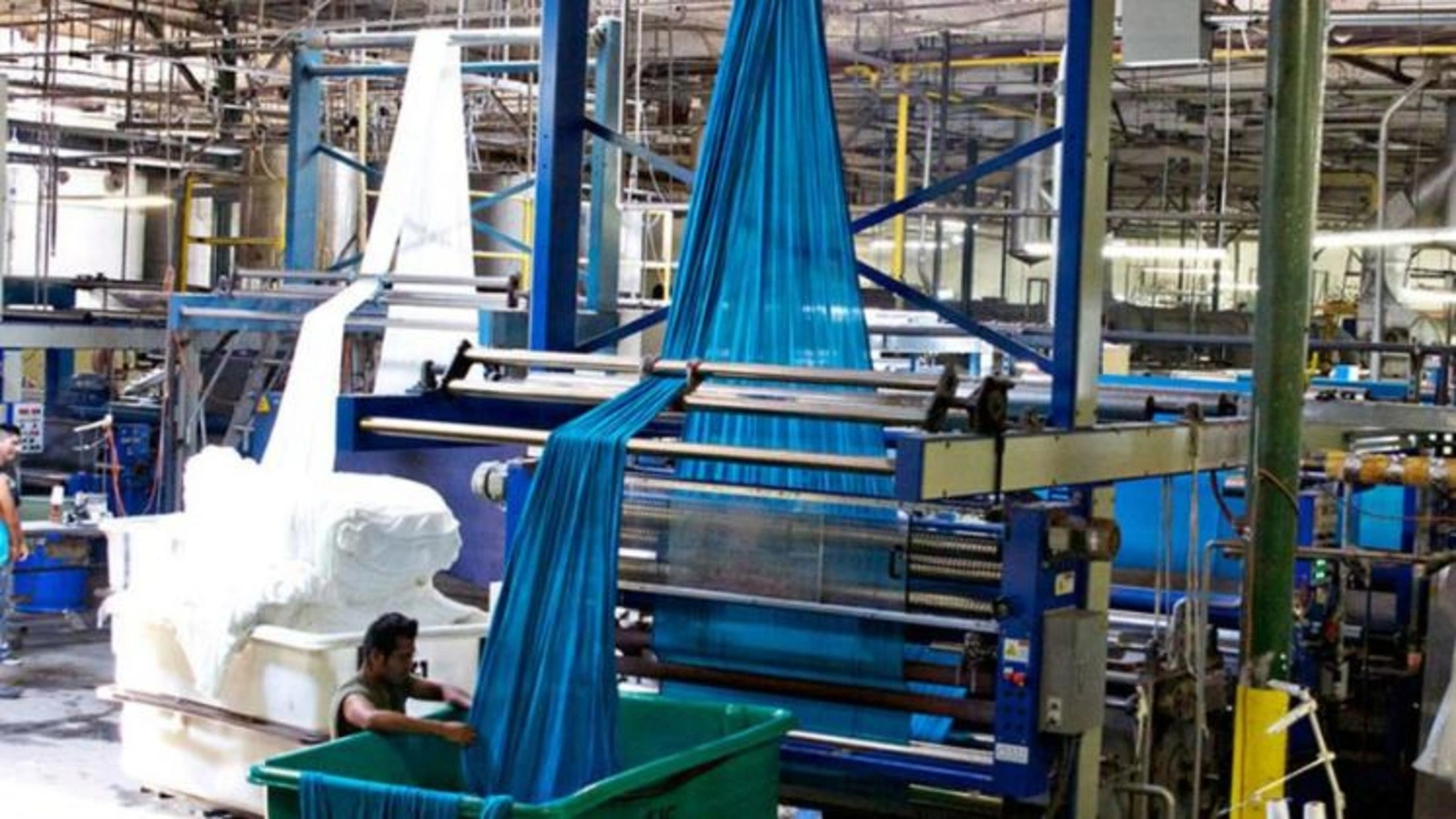
A breakthrough in textile wastewater treatment is set to transform how the industry manages dye pollution. Scientists have developed a novel biofilm technology capable of significantly reducing the time required to decolourise and detoxify complex textile dyes. This innovation addresses one of the most persistent environmental challenges faced by Textile manufacturers efficiently treating highly contaminated dye wastewater before discharge.
Traditional wastewater treatment methods often involve lengthy processes, high energy consumption, and the use of multiple chemicals. In contrast, the newly developed biofilm leverages engineered microbial communities that attach to surfaces and actively break down dye molecules. This biological process enhances interaction between pollutants and microorganisms, enabling faster degradation and improved efficiency. As a result, the time required for dye removal is effectively cut in half, offering a more practical and sustainable solution for industrial applications.
The importance of this development lies in its potential scalability. Textile Processing units can integrate the biofilm system into existing treatment infrastructure with minimal changes, making it a cost-effective upgrade for manufacturers. Additionally, the reduced reliance on chemicals and lower energy requirements contribute to overall sustainability, aligning with the industry’s shift toward greener production practices and stricter environmental compliance.
With global regulations tightening around wastewater discharge and increasing pressure on textile producers to adopt eco-friendly solutions, this innovation comes at a critical time. It not only improves operational efficiency but also strengthens the environmental performance of textile operations. As the industry moves toward circularity and zero liquid discharge systems, biofilm-based technologies could play a pivotal role in reshaping wastewater management and supporting a cleaner, more sustainable textile future.
11:35 AM, Apr 13
.webp)
.webp)


1.webp)



1.webp)


